ADHD Therapy in
Los Angeles for LGBTQ+, BIPOC & Neurodivergent Communities
At Nokdu Therapy, we offer neurodiversity affirming therapy for ADHDers in Los Angeles. We don't treat your ADHD as an illness that needs to be treated. We help you understand how your brain works, release the shame that's built up around it, and build a life that works with you.
What ADHDers Often Say
For many, ADHD can impact everyday life, including work, school, chores and your relationships. For others, ADHD can present as "high-achievement", but at the cost of immense effort and exhaustion. Does any of this sound familiar?
"People just tell me I need to try harder or care more. I don't know how much harder I can try."
"I get things done, but it's always at the last minute and I'm constantly burned out and running on empty."
"I'm successful on the outside, but I feel scattered and exhausted inside. And it never seems to be good enough."
"I always felt like I was 'too much.' Too loud, too distracted, too intense."
"I thought I had anxiety and depression. No one ever told me this might be ADHD."
"I've built my whole life around hiding how hard this is. I'm exhausted by the performance."
A Neurodivergent Understanding of ADHD
ADHD (Attention Deficit Hyperactivity Disorder) has a wide ranging impact that affects focus, emotion regulation, executive function, relationships, and self-esteem. At Nokdu Therapy, we want to help you discover what works for your brain and nervous system to achieve your goals and to manage burnout.
When the world is not built for the way your brain works, it can be way harder to navigate life. Your brain isn't broken, it's that society hasn't been built for an ADHD brain. At the same time, it's necessary to have the skills to navigate the world as it is now in order to survive. Most traditional ADHD therapies are built around complying to capitalist standards of productivity and adherence to time, and forcing ADHDers to function like they are neurotypical. That approach might work for some in the short term, but leaves long lasting impacts on physical health, emotional regulation, and fulfillment.
ADHD often goes unnoticed, misdiagnosed, or misunderstood, especially in BIPOC and LGBTQ+ communities where ADHD has been defined without you in mind. Some people may be bypassed completely because you present as high achieving externally. Others may have struggled through school, relationships and work, but been mislabeled as not caring or working hard enough. ADHD is often oversimplified as hyperactivity or forgetfulness, when in reality it impacts every area of life.
At Nokdu, we bring an anti-oppression, trauma-informed lens to every session. We understand that experiences with emotional dysregulation, chronic shame, and executive dysfunction don't exist in a vacuum. They develop in relationship to systems, families, and communities that were often not designed for you.
Suppressing integral parts of yourself and employing elaborate strategies unnatural to your brain to avoid negative consequences in relationships, work and school.
Struggling to build momentum and initiate tasks, which can lead to shame spirals. Leaving things until the last minute and only being able to work under crisis.
Reacting to messages around "laziness", reliability, and productivity with shame, which can cause a somatic fight, flight, freeze, or fawn response that can be hard to get out of.
Having a nonlinear relationship to time, so that you never know how much time passes or how much time things will take, leading to trouble in relationships, work, and school.
Having difficulty knowing your internal cues, including hunger, thirst, temperature or biological urges until it's an emergency. Impacts health and energy, which then seeps into other areas of life.
Shared Experiences That Keep ADHDers Feeling Stuck
Some of our clients arrive in crisis, some arrive exhausted. These are the patterns we most often see. There's power that can come with putting a name to and understanding your experience.
ADHD in BIPOC Communities
If you're Black, Indigenous, or a person of color who received a late ADHD diagnosis (or no diagnosis at all), that's not a coincidence. It's the predictable outcome of a clinical system that wasn't built with you in mind.
The clinical picture of ADHD was historically constructed around young white boys presenting with hyperactivity and behavioral disruption. That narrow portrait excluded the many ways ADHD shows up in people of color across different genders, ages, and cultural contexts.
Black children, particularly boys, are more likely to have their ADHD symptoms misread as behavioral problems or defiance. They are more likely to be disciplined rather than supported. Asian American, Pacific Islander, and Desi American children who might be stereotyped as quiet, high-achieving, or compliant are frequently overlooked entirely. Their experience of ADHD goes unrecognized even as they quietly exhaust themselves keeping up or are pushed out of the system. They are faced with a lack of support, struggling in school and work, or burning out.
Adults in BIPOC communities are also significantly less likely to be referred for ADHD evaluation, less likely to receive an accurate diagnosis, and less likely to have access to culturally competent ADHD care when they do. When you finally find language for what you've been experiencing, it can feel equal parts relieving and enraging.
There's also the reality that for many BIPOC clients, living in survival mode looks a lot like ADHD, and sometimes it is both. Chronic stress, racial trauma, and economic precarity activate the nervous system in ways that overlap significantly with ADHD presentations. We use a neurodivergent-affirming, anti-racist framework to hold the full complexity of your experiences.
Years of being told you have behavioral issues, anxiety or depression while the underlying ADHD experiences went unnamed.
The labor of navigating white-dominant spaces can lead to suppressing your natural way of thinking, communicating, and moving. This can lead to exhaustion and physical illness.
The internalized messages about intelligence, worth, and belonging that come from racism don't sit separately from the shame of ADHD. They compound each other.
In many BIPOC families and cultures, struggle with focus or organization carries additional weight. It can be layered with expectations, family sacrifice, and the pressure to succeed against the odds.
For communities historically harmed by psychiatric and medical institutions, seeking a diagnosis or treatment requires trusting a system that hasn't always been trustworthy. That skepticism is protective.
"You don't need to translate your experience for us."
At Nokdu Therapy, our therapists are trained in working at the intersection of ADHD, racial identity, cultural contexts, migration histories and systemic harm. You won't have to explain why your experience of ADHD might look different from what's in the textbooks.
ADHD & Queer and Trans Experiences in LA
Research is increasingly pointing to significant overlap between ADHD and LGBTQ+ identities, particularly among nonbinary, trans, and queer people. If you're queer or trans and recently recognized being an ADHDer, you're not alone.
Studies suggest that ADHD is significantly more prevalent among transgender and gender-diverse individuals than in the general population, and that queer people broadly are more likely to be neurodivergent. The reasons for this overlap aren't fully understood, but the lived reality is consistent. Despite this fact, LGBTQ+ people often arrive at an ADHD understanding later in life, often after first exploring their gender identity or sexual orientation in therapy.
For many queer and trans people, ADHD went unrecognized because their presentation didn't match the stereotype, or because so much of their cognitive and emotional bandwidth was consumed by navigating an unsafe world. Masking queerness, gender nonconformity and ADHD often happen simultaneously and are deeply intertwined. The exhaustion of performing neurotypicality frequently compounds the exhaustion of performing heteronormativity or cisnormativity.
There's also the reality that gender-affirming care and ADHD treatment have historically existed in separate silos. At Nokdu Therapy, we hold both. You don't have to choose which part of yourself to bring into the room. And you don't have to worry about a therapist who doesn't fully affirm your identity or tries to "treat" your neurodivergence.
Discovering both a queer identity and an ADHD diagnosis in adulthood and needing to grieve and reprocess both simultaneously.
The energy required to mask ADHD and to navigate heteronormative or cisnormative spaces runs from the same reserve. Many queer ADHDers are running on empty in ways that are rarely fully seen.
Rejection Sensitive Dysphoria can be especially acute for queer and trans people, for whom rejection has often carried heavy consequences via family rejection, community exclusion, or physical safety.
The emotional intensity of ADHD can intersect with gender dysphoria in ways that are difficult to disentangle. It's vital to have a therapist who understands both.
For queer ADHDers, building and sustaining community is both especially important and especially hard given the relational challenges ADHD creates. We work on this directly.
"You don't have to explain yourself before we can begin."
At Nokdu Therapy, full affirmation of your gender identity and sexual orientation is not a feature, it's the floor. Our therapists are queer and trans affirming, knowledgeable about the specific ways ADHD and neurodivergence show up in LGBTQ+ lives, and are deeply committed to holding all aspects of who you are.
ADHD Therapy for Real Life Challenges in LA
ADHD doesn't exist in isolation. Our therapists address the full picture of what it means to live with an ADHD brain and the specific way you operate and move through the world.
Executive Function
Our therapists can help you with starting tasks, managing time, prioritizing tasks, and following through. We build real-world systems that match your brain, not someone else's productivity framework.
Emotional Dysregulation & RSD
Rejection Sensitive Dysphoria (RSD) and the emotional flooding that comes with shame spirals are among the most painful aspects of ADHD. We can incorporate somatic therapy to help heal your nervous system.
ADHD-Related Shame & Low Self-Worth
Years of being called lazy, broken, or "not living up to your potential" leave marks that may make you want to be a different person entirely. Practicing radical acceptance can help you shift your energy from what you can't change to what you can.
Anxiety & Depression
ADHD frequently co-occurs with anxiety and depression. This is often a direct response to years of judgment, criticism, negative evaluations and masking in systems not designed for you. Your therapist can offer cognitive and behavioral strategies to support.
Relationships & Communication
ADHD affects how you show up in friendships, partnerships, and family. We address relational patterns including masking, people-pleasing, and impulse control.
Late Diagnosis & Identity
For BIPOC, LGBTQ+, or AFAB people who receive an ADHD diagnosis later in life, it can trigger grief, relief, and a need to reprocess your entire history. We can hold that with you.
Your Path to Clarity in LA
ADHD therapy at Nokdu Therapy is collaborative, flexible, and paced to match how you actually work. We tailor everything to your specific lived experience.
Free 20–30 Minute Consultation
We start with a no-pressure conversation. We'll hear what's bringing you in, share how we work, and confirm we're a good fit. No forms to fill out ahead of time, just a real conversation.
Intake, Assessment & Getting to Know Your Brain
Your therapist will spend time genuinely understanding your history, including how ADHD has shown up across different areas of your life, how it intersects with your identity and cultural context, and what has and hasn't worked before. We assess impact on daily life, relationships, mental health, and work before co-creating a path forward.
Psychoeducation & Shame Work
Before building new skills, we make space to name what's accumulated. You'll learn how ADHD actually works, including executive dysfunction, rejection sensitivity, and sensory sensitivity. This can help you stop blaming yourself for things that were never personal failings.
Skills That Fit Your Brain
Your therapist will help you build practical strategies for time management, emotional regulation, communication, and building structure into your life.
Practice, Integration & Building Your Life
You'll practice applying new tools in your real life until they become genuinely supportive. As therapy deepens, sessions shift toward relationships, identity, and building something sustainable, not just surviving. Telehealth options are available throughout LA and all of California.
ADHD Therapy Across Greater Los Angeles
We see clients via telehealth anywhere in Los Angeles and California.
Meet Our ADHD Therapists in Los Angeles
BIPOC, LGBTQ+, and neurodivergent clinicians who bring their full selves to the work. You deserve an ADHD therapist in Los Angeles who genuinely gets it.

Gonji Lee (they/them), LCSW #88522
Neurodivergent Korean therapist in Los Angeles. Gonji is deeply committed to an anti-oppression framework, and effective therapy for BIPOC and LGBTQ+ communities.
Learn more →
Jeffery Park (any pronouns), LMFT #108456
A first-generation, queer Korean therapist committed to affirming care for QTBIPOC clients navigating ADHD, anxiety, trauma, and identity. Specializes in working with creatives.
Learn more →
Arthur Sun (they/them), LCSW #129742
Works with teens, adults, and people in relationships navigating ADHD, emotional dysregulation, and identity. Arthur brings affirming, thoughtful care especially to TGI, autistic, and polyamorous communities.
Learn more →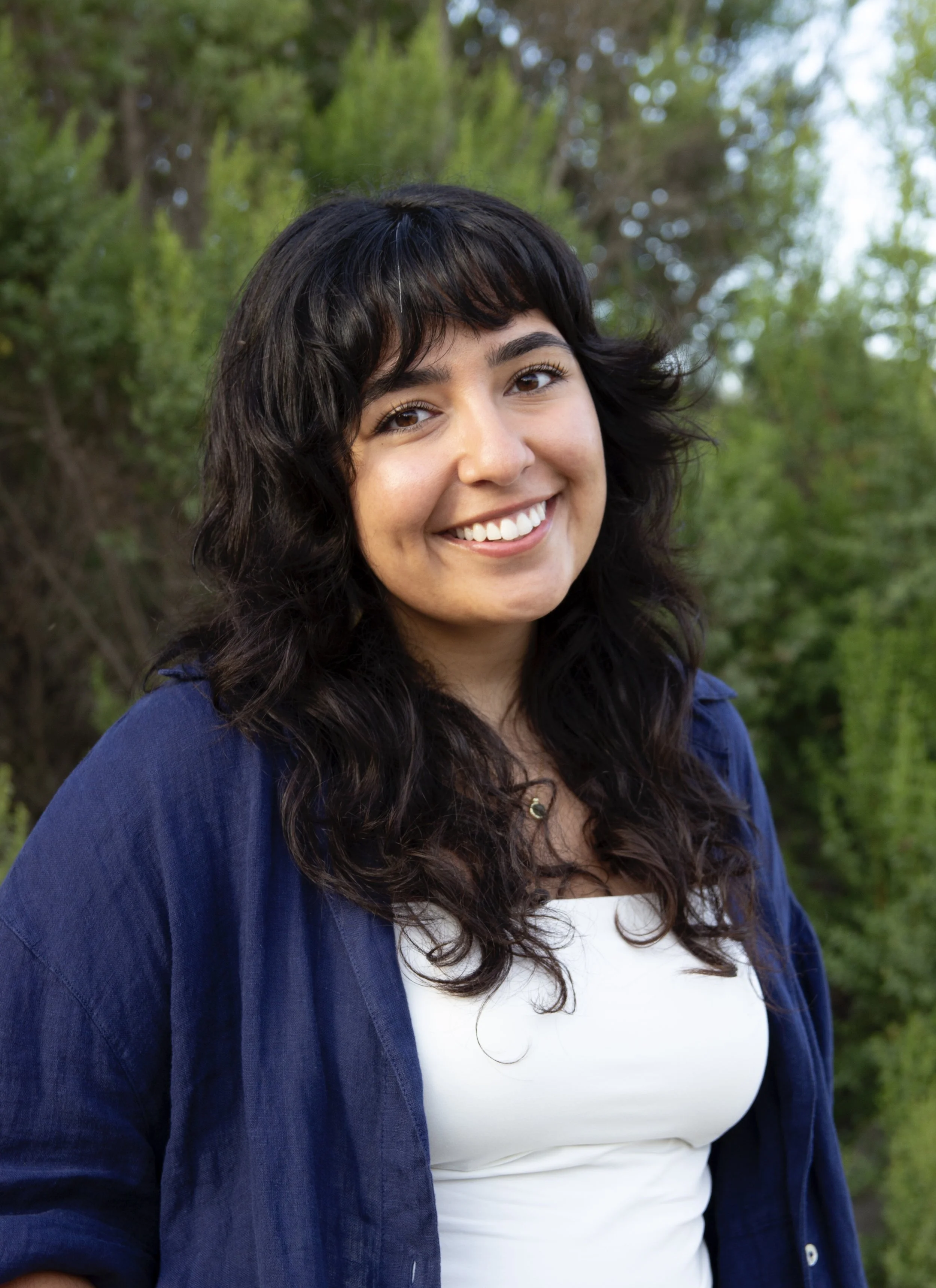
Rozheen Barekatein (she/her), ACSW #123348
Passionate about working with QTBIPOC, SWANA/MENA communities, and children of immigrants. Rozheen uses CBT, ACT, and Motivational Interviewing to support clients navigating anxiety, identity, and life transitions.
Learn more →Common Questions About ADHD Therapy in LA
Do I need a formal ADHD diagnosis to start therapy?
No. You don't need a formal diagnosis to begin therapy at Nokdu Therapy. Many of our clients come in with strong suspicions about ADHD but haven't been formally evaluated, and that's okay. We can work with the experiences you're having right now. If you're interested in pursuing a formal diagnosis, we can also discuss what that process looks like.
What does "neurodivergent" mean, and how is it different from other ADHD therapy frameworks?
Most traditional ADHD therapies focus on reducing symptoms and improving compliance with neurotypical standards. A neurodivergent affirming framework starts from the premise that your brain is not broken, and that healing means building a life that honors how you actually operate instead of forcing yourself to fit a mold that was never made for you. It means addressing shame, understanding the role of systemic barriers and marginalization, and using your genuine strengths as a foundation for change.
I was diagnosed late in life. Is it too late to benefit from ADHD therapy?
Not at all! In fact, late diagnosis often brings its own powerful work to do. Many adults, particularly AFAB and BIPOC people go undiagnosed for decades because the clinical picture of ADHD was historically built around white men. A late diagnosis can bring relief and grief in equal measure. Therapy can help you reprocess your history with new understanding, build skills that actually work for you, and release years of internalized shame that was never yours to carry.
Can therapy help with ADHD even if I'm already taking medication?
Yes! Research consistently shows that the most effective ADHD treatment combines medication (when appropriate) with therapy. Medication can help regulate attention and impulse control, but it doesn't address the shame, executive dysfunction strategies, relational patterns, or emotional dysregulation that therapy is most helpful for. Many clients find therapy opens up a layer of healing that medication alone couldn't reach.
Do you offer ADHD therapy for teenagers in Los Angeles?
Yes. We offer ADHD therapy for teens ages 13 and up. Adolescence is a critical time for ADHD support. Academic and social demands increase significantly while self-regulation is still developing. We work with teens directly and can involve parents or guardians in ways that feel supportive rather than surveillance-based.
How is ADHD therapy different from ADHD coaching?
ADHD coaching is primarily skills-forward and future-focused. It centers productivity, organization, & goal achievement. ADHD therapy can include all of this, and also addresses the emotional and psychological dimensions of ADHD. This includes trauma, shame, anxiety, identity, and relationships. At Nokdu Therapy, we often blend both! We'll focus on practical skill-building within a therapeutic container that holds the full human being, not just their to-do list.
I've always been high-achieving. Could I really have ADHD?
Yes. And this is one of the most common reasons people arrive confused. High-achieving people with ADHD often develop sophisticated masking strategies early in life. Perfectionism, people-pleasing, overworking can help them to appear on top of it for years. The internal experience is usually the opposite: constant anxiety, shame, and the sense that everything costs more energy than it should. Success does not rule out ADHD. It often just means you've been working twice as hard to keep up.
Is ADHD therapy covered by insurance?
We are not in network with any insurance companies. If your PPO plan covers out-of-network mental health services, you will receive a superbill at the beginning of each month to submit for reimbursement. We also have limited sliding scale spots available. Please ask during your free consultation if cost is a barrier to getting started.
Ready to Work with an Affirming ADHD Therapist in Los Angeles?
Schedule a free 20–30 minute consultation. We'll talk about what's bringing you in, how we work, and whether we're a good fit. Telehealth available statewide throughout California.