DBT Therapy in
Los Angeles for LGBTQ+, BIPOC & Neurodivergent Communities
Dialectical Behavior Therapy (DBT) is an effective, evidence-based modality for emotion dysregulation, borderline personality, self-harm, and chronic suicidal ideation. Our Los Angeles DBT therapists help BIPOC, LGBTQ+ and neurodivergent communities develop concrete skills to manage overwhelming emotions and build relationships that last.
What Is DBT Therapy?
DBT (Dialectical Behavior Therapy) is an evidence-based therapy that teaches concrete skills for managing overwhelming emotions, reducing self-harm, and building healthier relationships. It has been designated as having "Strong Research Support" for borderline personality disorder by Division 12 of the American Psychological Association (Society of Clinical Psychology), and is also widely used for depression, anxiety, trauma, substance use, eating disorders, bipolar disorder, and anger management. At Nokdu, DBT, Cognitive Behavioral Therapy (CBT), and Acceptance & Commitment Therapy (ACT) are some of the top-down approaches we use to support you in gaining understanding and concrete tools to manage emotional pain.
The word "dialectical" refers to the balance at the heart of DBT: the idea that you can accept the things you cannot change and make meaningful change where you do have power at the same time.
Unlike therapies that focus on changing thought patterns, DBT teaches concrete, practical skills across four core modules through a life skills group: mindfulness, distress tolerance, emotion regulation, and interpersonal effectiveness. These skills help you manage crises in the moment, reduce emotional suffering over time, and build relationships grounded in respect and clarity.
At Nokdu Therapy, our Los Angeles DBT therapists specialize in working with LGBTQ+, BIPOC, and neurodivergent individuals. We even offer a BIPOC DBT Life Skills Group facilitated by BIPOC, LGBTQ+ and neurodivergent facilitators. For marginalized communities, emotional intensity is often a response to structural invalidation, systemic harm, and marginalization. We bring a culturally affirming, trauma-informed lens to every aspect of the DBT program.
The foundation of all DBT skills. Learn to observe your thoughts and feelings without judgment, and respond rather than react.
Develop skills to survive emotional crises without making things worse. Learn to buy time during crises and manage impulsive behaviors that harm you in the long term.
Understand and name your emotions, reduce vulnerability to mood swings, and change unwanted emotional responses.
Learn how to ask for what you need, set boundaries, maintain self-respect, and build healthier relationships.
DBT for Emotional Struggles & Beyond
DBT therapy in Los Angeles is effective for a wide range of people experiencing cycles rooted in emotional intensity, chronic invalidation, and difficulty tolerating distress.
Borderline Personality Disorder (BPD)
DBT was originally developed for BPD and remains the most effective treatment. It can help with hallmark BPD experiences like splitting, an intense attachment to a “favorite person,” and chronic feelings of emptiness, while reducing self-harm, suicidal behavior, and emotional instability.
Depression & Chronic Suicidal Ideation
DBT was specifically designed for persistent suicidal thoughts and can help implement behavioral activation and rebuild hope over time.
Emotion Dysregulation & Anxiety
For anyone whose emotions feel overwhelming, uncontrollable, or longer-lasting than they'd like, DBT teaches concrete skills to shift this pattern.
Self-Harm & Impulsive Behavior
DBT replaces self-destructive coping with concrete, evidence-based skills. It can help reduce harmful urges and build sustainable ways of coping with distress.
Relationship & Attachment Issues
Interpersonal effectiveness is a central component of DBT, helping you manage fear of abandonment, navigate interpersonal conflict, and shift patterns of unstable or painful relationships.
Eating Disorders & Substance Use
DBT addresses the emotional dysregulation underlying disordered eating, binge behaviors, and substance use. Identifying triggers, warning signs, and alternative coping skills will help bring change.
DBT Therapy for BIPOC Communities in LA
Standard DBT was not developed with BIPOC communities in mind. At Nokdu Therapy, we center your full identity and lived experience, including the reality of racial trauma, intergenerational wounds, and navigating a culture that remains steeped in racial injustice.
For Black, Indigenous, Asian American, and other People of Color, emotional dysregulation rarely exists in isolation. It often develops directly in response to chronic stress, racial trauma, microaggressions, and the exhausting labor of surviving environments that can feel violent and discount your experience. Traditional therapy frameworks can inadvertently pathologize survival responses without a critical lens.
Our therapists bring their own lived experiences as BIPOC people to the therapy space. Your intersecting identities, values, and experiences are considered central to the healing journey. We understand that concepts like "radical acceptance" and "interpersonal effectiveness" look different depending on the nuances associated with your cultural background, family system, and migration stories.
We also offer a dedicated BIPOC DBT Skills Group! It's a space to learn and practice DBT skills in community with others who may share your identities and experiences. Learning these skills alongside people who understand what you're navigating can be profoundly different from doing it in a predominantly white space.
Naming and validating the emotional toll of racism, microaggressions, and systemic harm as a part of the very fabric of your experience.
Understanding how your emotional patterns were shaped by family, culture, and history.
Honoring the role of community, chosen family, and cultural connection as sources of resilience, in addition to developing individual coping strategies.
DBT concepts like distress tolerance, self-validation, and radical acceptance taught in ways that make sense within your lived experiences.
How We Adapt DBT for BIPOC Communities
- Radical acceptance of the things you can’t immediately change. This does not mean accepting injustice or racism. It means moving through ruminations and emotional patterns that feel stuck, and increasing your capacity for the things that you can change.
- Interpersonal effectiveness that we adapt to be relevant to BIPOC cultural and family dynamics. We can incorporate norms around collectivism, intergenerational differences, as well as family expectations and roles.
- Emotion regulation that understands minority stress and racial trauma as external limitations, not internal “distortions.”
- Distress tolerance to get through emotional crises triggered by world events. It is a normal response to feel distressed by the many harms we constantly witness enacted against marginalized communities. Develop skills to move through emotional pain without making the situation worse.
- Validating survival responses to oppression rather than pathologizing them.
DBT Therapy for LGBTQ+ Communities in LA
LGBTQIA2S+ folks experience disproportionately higher rates of depression, anxiety, self-harm, and suicidality. This is often impacted by the unsafe contexts and environments they are forced to navigate. DBT at Nokdu Therapy is fully affirming of every identity, relationship structure, and expression. We offer LGBTQ affirming DBT services in LA and California.
Homophobia, Transphobia & Chronic Invalidation
Years of navigating homophobia, transphobia, as well as family and social rejection leave lasting emotional scars. DBT provides concrete tools for regulating the nervous system when the world feels unsafe.
Gender Dysphoria & Identity
We work with transgender, nonbinary, intersex and gender-expansive clients navigating the emotional complexity of gender identity. We take into account how transphobia can affect emotion dysregulation.
Family Rejection & Chosen Family
DBT's interpersonal effectiveness skills are especially valuable for building and sustaining chosen family relationships when biological family is not safe or supportive.
Self-Harm & Suicidality
LGBTQ+ youth and adults are at significantly elevated risk. Our therapists are trained in DBT's evidence-based approach to reducing self-harm and suicidal behavior.
Queer & Trans Relationship Dynamics
LGBTQ+ relationships, chosen family structures, and non-traditional relationship models come with their own dynamics and stressors. Our therapists are knowledgeable about polyamory, queer relationship norms, and the specific ways transphobia and homophobia can show up within relationships.
DBT for Intersecting Identities
Many of our LGBTQ+ clients are also BIPOC, neurodivergent, or hold other marginalized identities. We hope to hold all of who you are throughout the work.
How We Adapt DBT for LGBTQ+ Communities
- Interpersonal effectiveness to strengthen boundary and interpersonal skills in chosen family and queer relationship structures, including non-monogamy. Interrupt cycles of conflict, isolation or people pleasing to maintain self-respect, stay in alignment with values, and get your needs met.
- Emotion regulation that acknowledges transphobia, homophobia, biphobia and minority stress as external limitations.
- Distress tolerance for navigating unsafe or invalidating environments in school, work, and family structures.
Your Path to Change in LA
Starting DBT therapy in Los Angeles is a structured, supportive process at Nokdu Therapy. Here's what to expect.
Free 20–30 Minute Consultation
Connect with one of our Los Angeles DBT therapists at no charge. We'll discuss your goals, answer your questions, and determine whether DBT or a DBT-informed approach is the right fit for you.
Comprehensive Assessment & Treatment Planning
Your therapist conducts a thorough intake to understand your history, identify target behaviors, and create a personalized DBT treatment plan. We prioritize safety, connection, and clarity from the very first session.
Individual Therapy & Building a Life Worth Living
DBT combines individual therapy with structured skills training across all four modules. Your therapist will teach and practice DBT skills with you directly in session, adapted to your specific life circumstances and cultural context.
DBT Skills Group (Optional)
We offer a BIPOC DBT Skills Group for those who want to practice DBT skills in community with others. Group is a powerful complement to individual therapy and can accelerate skill-building significantly.
Trauma Therapy
Once you develop a foundation where you are no longer in an unrelenting cycle of crisis, you may be ready to start the next phase of therapy. Your therapist can help you explore whether transitioning into somatic or trauma-focused work — such as healing attachment wounds, social isolation, or dating trauma — is the right next step. Telehealth options are available throughout LA and all of California.
Meet Our DBT Therapists
Our therapists are BIPOC, LGBTQ+, and neurodivergent clinicians who bring their full selves to the work. You deserve a therapist who can hold you in all of your experiences.
Our DBT therapists are collectively trained in DBT, ACT, EMDR, IFS, CBT, and Brainspotting. Several integrate DBT with trauma therapies like EMDR and Brainspotting once clients have reached greater emotional stability.
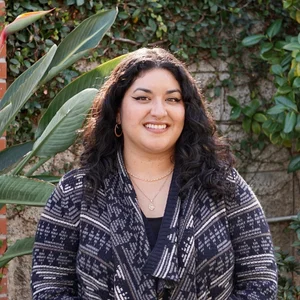
Ariadna Armenta (she/her), LCSW #102477
Ariadna is trained in DBT, ACT & EMDR. She brings a culturally humble, intersectional lens to her work with adults navigating emotion dysregulation, trauma, and identity.
Meet Ariadna →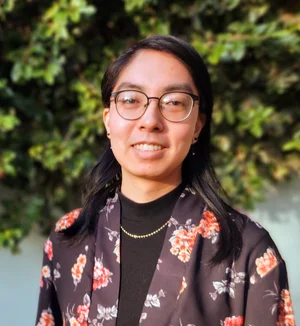
Arthur Sun (they/them), LCSW #129742
Arthur is a DBT and EMDR-trained therapist who works with teens, adults, and people in relationships navigating emotional dysregulation, identity, and connection. They bring affirming, thoughtful care to queer and BIPOC clients.
Meet Arthur →
Christina Harrison (they/them; she/her), LCSW #99941
Christina is trained in DBT, CBT, ACT and IFS. They work with adults processing complex emotions, trauma, and identity. They create space for clients to build lives that feel genuinely aligned with who they are with warmth and without judgment.
Meet Christina →
Gonji Lee (they/them), LCSW #88522
Gonji is a DBT, IFS and BSP-trained therapist who works with teens and adults. Gonji is deeply committed to affirming care for neurodivergent, BIPOC and LGBTQ+ communities in Los Angeles.
Meet Gonji →DBT Therapy Across Greater Los Angeles
We serve clients via telehealth anywhere in California. Our DBT therapists work with clients from Silver Lake, Koreatown, Culver City, Highland Park, Studio City, and beyond. We bring culturally responsive therapy to wherever you are in Greater Los Angeles.
Common Questions About DBT in LA
What is the difference between DBT and CBT?
CBT (Cognitive Behavioral Therapy) focuses primarily on identifying and changing unhelpful thought patterns. DBT was developed from CBT but adds a crucial element: the balance between acceptance and change, which is the "dialectical" part. DBT typically combines individual therapy with a structured skills group. Through the life skills group, DBT teaches four specific skill sets: mindfulness, distress tolerance, emotion regulation, and interpersonal effectiveness. For people who have found CBT insufficient, particularly when emotional intensity is a core challenge, DBT can be an effective alternative.
Do you offer comprehensive DBT or DBT-informed therapy?
At Nokdu Therapy, we offer DBT-informed individual therapy with between-session phone coaching, along with an optional skills group that cycles through all four DBT modules: mindfulness, distress tolerance, emotion regulation, and interpersonal effectiveness. DBT-informed therapy is a strong fit if you want to build and apply DBT skills with individualized support. If you need a fully comprehensive, adherent DBT program, which is sometimes recommended for the highest-acuity situations, we are glad to help you find one. During your free consultation, we can talk through which option best fits your needs.
Do I need a BPD diagnosis to benefit from DBT?
Not at all. While DBT was originally developed for borderline personality disorder, research now supports its effectiveness for depression, anxiety, PTSD, eating disorders, substance use, and anyone who struggles with managing intense emotions. At Nokdu Therapy, we use DBT and DBT-informed approaches for a wide range of presentations. Diagnosis is not a requirement.
How is DBT different from other therapies for trauma?
DBT and trauma therapy serve different but complementary roles. DBT focuses first on building safety and stabilization. It is especially effective in reducing crisis behaviors, self-harm, and emotional overwhelm through concrete skills. At Nokdu Therapy, we typically recommend starting with DBT when someone is in an active cycle of crisis, because diving into trauma processing before the nervous system is regulated can be ineffective and re-traumatizing. Once a client has developed a stable foundation using DBT skills, we often transition into trauma modalities like IFS, Brainspotting or EMDR to process the deeper roots of emotional pain. Think of DBT as building the container, and trauma therapy as healing what's inside it.
Does DBT work via telehealth?
Yes. Telehealth DBT is highly effective and allows you to practice skills in the same environment where challenges typically arise, whether it is your home, workplace, or daily life. We offer secure video sessions to clients throughout Los Angeles and all of California.
Is DBT covered by insurance?
We are not in network with any insurance companies. If your PPO plan confirms they will reimburse you for out-of-network services, you will automatically receive a superbill at the beginning of each month to submit to your insurance. We also have limited sliding scale spots available for those for whom finances are a barrier. Please ask about this during your free consultation.
What is the BIPOC DBT Skills Group at Nokdu Therapy?
Our BIPOC DBT Skills Group is a culturally affirming, structured group experience where Black, Indigenous, and People of Color can learn and practice DBT skills together. The group acknowledges that emotional dysregulation often develops in response to systemic oppression, racial trauma, and chronic invalidation.
How long does DBT therapy take?
Standard comprehensive DBT is typically a 6-month to one-year commitment. DBT-informed therapy, which incorporates DBT skills without the full protocol, can be more variable. Your therapist will discuss the right approach during your initial assessment.
How much does DBT therapy cost in Los Angeles?
We are an out-of-network provider. If your PPO insurance plan includes out-of-network mental health benefits, you can submit our monthly superbill for potential reimbursement — many clients receive partial reimbursement this way. We also have limited sliding scale spots available for those for whom cost is a barrier. We encourage you to ask about fees and financial options during your free consultation.
Ready to Begin DBT Therapy in Los Angeles?
Schedule a free 20–30 minute consultation with one of our DBT therapists. Telehealth available statewide throughout California.