Gonji Lee on the ‘92 Uprisings & the Korean American Experience in Los Angeles
What does healing look like for a community still carrying the weight of history?
That's the question at the heart of Forward Together, a documentary podcast produced by the LA Civil Rights Department, the City of Los Angeles Human Relations Commission& the USC Annenberg School for Communication and Journalism. The series reflects on the 1992 LA Uprisings (or Sa-I-Gu), including what has changed in the thirty years since then, and what still hasn't.
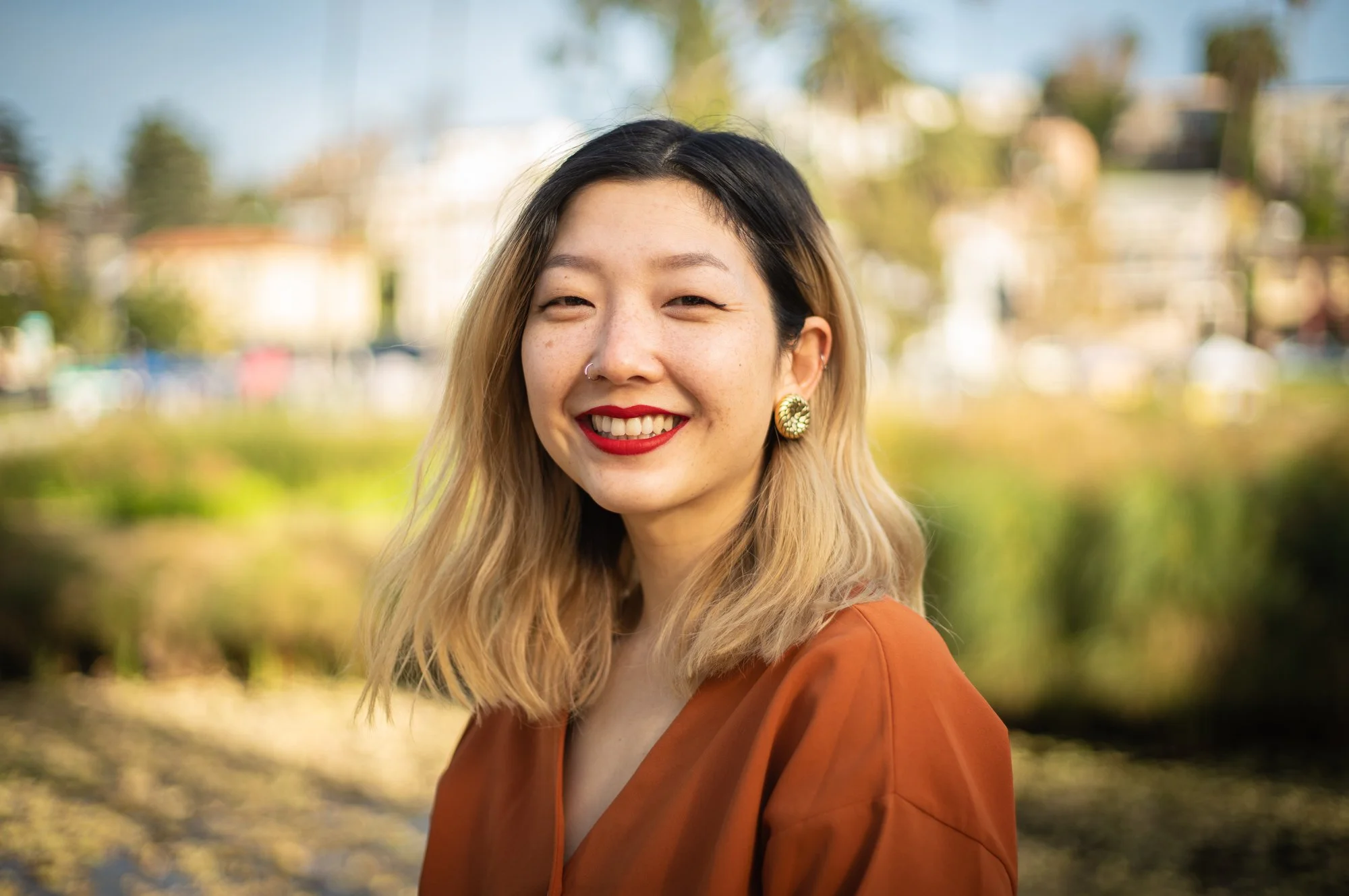
Nokdu Therapy founder and licensed clinical social worker Gonji Lee(they/them), LCSW, was featured on Episode 3: "Healing," alongside community organizer and Black Lives Matter LA founding member Haewon Asfaw. Together, they explore what it means to make change and help our communities heal in a city where many of the dynamics leading to '92 continue to exist today.
What Gonji shares in the episode:
Gonji shares about racial triangulation, and how Asian communities have been racially constructed to promote anti-Black narratives in the US, but discarded when they are no longer needed. Los Angeles saw this happen in real time as media played the clip of Du Soon Ja murdering Latasha Harlins on repeat in order to divert attention away from the cops who murdered Rodney King. Los Angeles saw it again when the police were instructed to gather on the West Side to protect affluent white neighborhoods after stoking the fire between Korean and Black folks communities. Gonji discusses the importance of Korean communities understanding their position within the larger context of racialization, and the need to heal both on the individual and community level to build solidarity against the systems that hurt everyone.
Why this matters for Korean American mental health:
For many Korean American families, the 1992 Uprisings isn't just history. Cast aside as disposable by the city, many parents and grandparents who lived through those six days carried the experience forward in silence, and that silence gets passed down. Intergenerational trauma doesn't disappear; it shows up in anxiety, hypervigilance, difficulty with trust, and complicated feelings about identity and belonging. When healing doesn’t happen, resentment and anger continue to fester until another fire ignites and it is once again misdirected in the wrong place.
At Nokdu Therapy, Gonji and the team specialize in working with Korean American, Asian American, and immigrant communities who are navigating exactly this kind of layered, intergenerational experience. Engaging actively in our own healing journeys help us be more accountable to one another. It helps us see the larger picture, and to move collectively.
Listen to the episode:
Forward Together is available on Apple Podcasts. Episode 3: "Healing" features Gonji Lee and Haewon Asfaw in conversation about solidarity, community organizing, and what it means to build Black and Korean solidarity in Los Angeles.
Gonji Lee (they/them), LCSW #88522, is the founder of Nokdu Therapy in Los Angeles. They specialize in intergenerational trauma, IFS, DBT, and Brainspotting for Korean American, Asian American, immigrant, QTIBIPOC, neurodivergent, and nonmonogamous adults & teens. To schedule a free consultation, contact us here.